16 Days of Glory 1985, directed by Bud Greenspan
Rating: 10/10
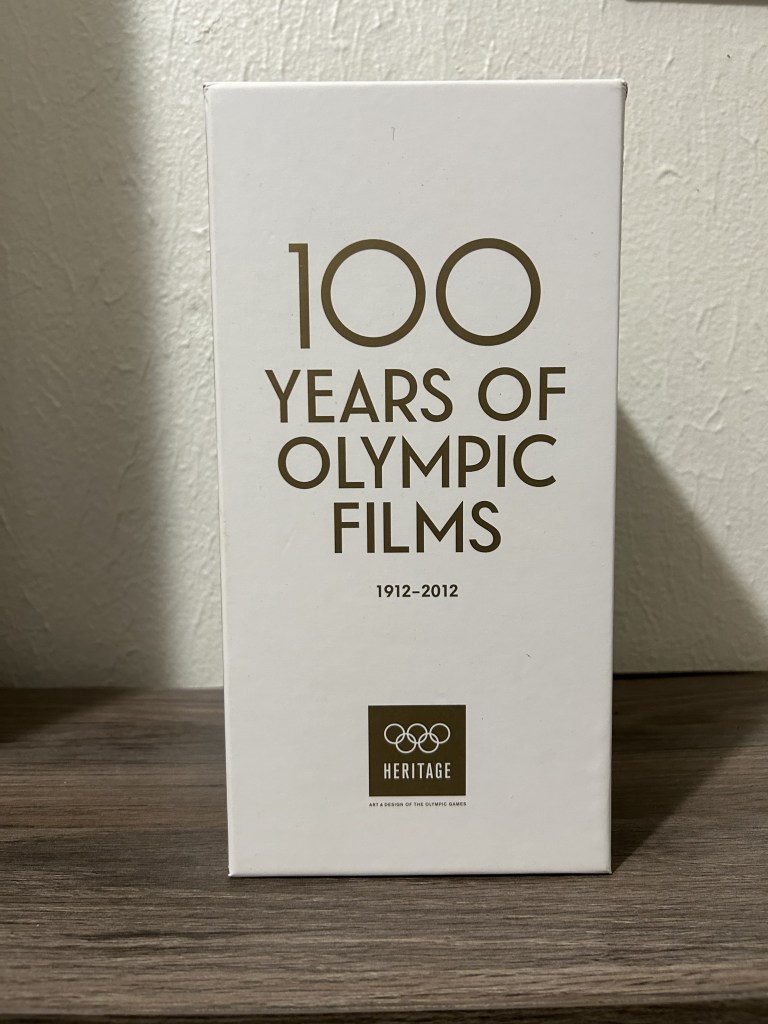
There are 54 films (including shorts) in the Criterion Collection’s 100 Years of Olympic Films 1912-2012 boxset, and out of all of them, my favorite is Bud Greenspan’s 16 Days of Glory which captures the athletic feats at the 1984 Olympic Games in Los Angeles.
At 285 minutes, this is the longest film in the boxset, but unlike the 251 minute The IX Olympiad in Amsterdam from 1928, it uses this length well and kept me extremely engaged in what was happening. The Olympics also apparently loved this film, as it is the first of ten films in this collection directed by Greenspan, though as the years pass his films get shorter, the budgets get smaller (and move to Showtime), and the video quality gets worse. Greenspan’s technique of interviewing the athletes and having them discuss the sport as if they are currently in the midst of fighting for a medal works alongside the editing to keep the film feeling like anyone could win or lose at any moment, even if you already know the outcome of each sporting event. This style seems familiar now as it has been oft-imitated (even in reality TV shows—like the real housewives acting like they are being pulled aside mid-fight) but after seeing the previous years’ documentaries, it feels truly revolutionary. It emphasizes the athleticism of the individuals and deemphasizes the power of nations. The Olympics are definitely a contest between nations, but these documentaries are much more successful when they highlight the individuals and their compelling stories instead of just being mouthpieces for whatever government is hosting that year (did the 1988 Olympics in Seoul really need three separate documentaries, with narrators of varying propagandistic fervor?). 16 Days of Glory may not be the most artistic film in this boxset (Kon Ichikawa’s 1965 Tokyo Olympiad is my favorite artistically), but it pioneers a style that works fantastically well as a piece of sports journalism.
Besides Greenspan’s style, this film is also great due to the athletes it chooses to focus on. The newest film in the boxset, Caroline Rowland’s 2012 film First, does a similar style but only follows first-time Olympians, which is a cool idea but in practice makes you feel like you are missing a lot of the important moments. Here in Los Angeles, Greenspan follows a wide variety that makes you feel like even if you haven’t seen everything, you’ve seen a lot. Going in I knew about great American athletes Carl Lewis, Greg Louganis, and Mary Lou Retton, but seeing them in action is marvelous and none of them feel similar to each other which keeps the movie running along at a good clip without feeling repetitive (like a lot of Greenspan’s Winter Olympic films do). The other athletes it highlights I didn’t recognize, but they are similarly inspiring—one particular standout for me was Yasuhiro Yamashita in Judo. Greenspan’s style is great (if given the proper length to do his thing), but the success of his films relies on the athletes chosen, and in this first Olympic documentary he made, there is not a single boring choice made in interviewee.
Like any boxset, there are going to be hits and misses, and a lot of these films feel extremely similar to each other (especially considering Greenspan did 10 of them in the same directorial style). It starts off great with Adrian Wood’s 2017 restoration of old footage in The Games of the V Olympiad Stockholm, 1912 and hits a low point with some that are Nazi propaganda, but for me the set is worth it for classics like 16 Days of Glory.
 The Movie Room
Leave a comment